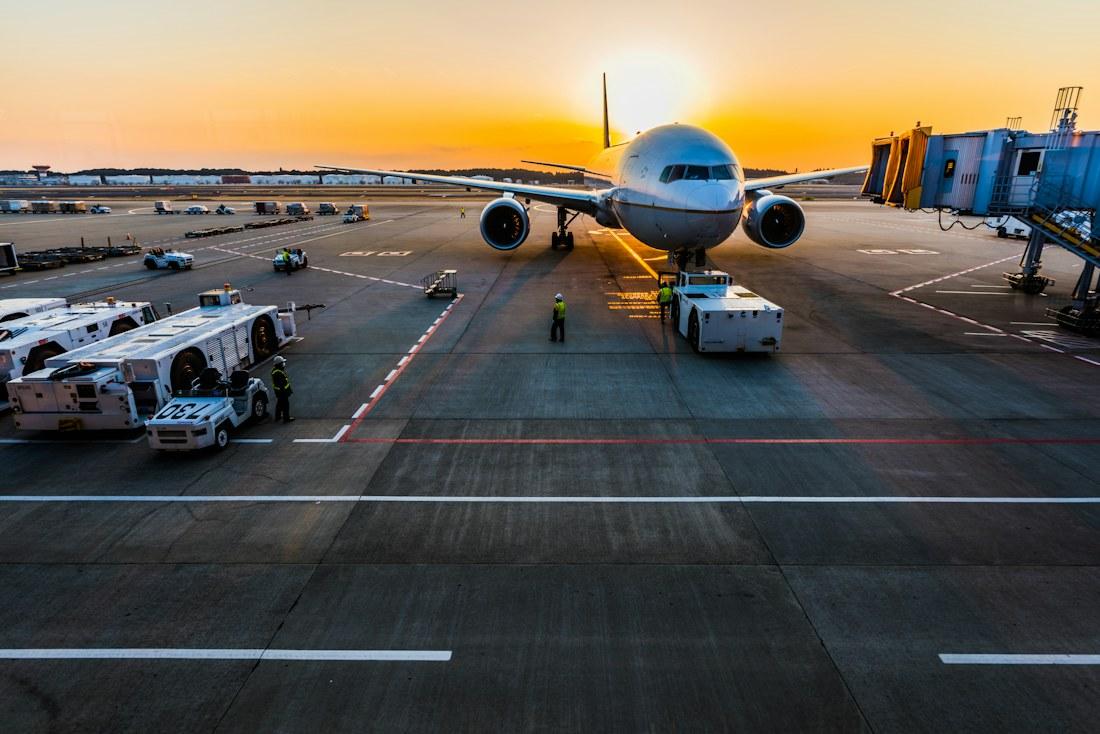
Airfreight
Air cargo permits and declarations, including time-sensitive consignments.
Singapore customs & trade compliance
Permit declarations and Certificates of Origin for freight forwarders, shipping lines, air cargo agents and logistics companies.
Cargo modes
Declarations for cargo moving by any mode.
Air cargo permits and declarations, including time-sensitive consignments.
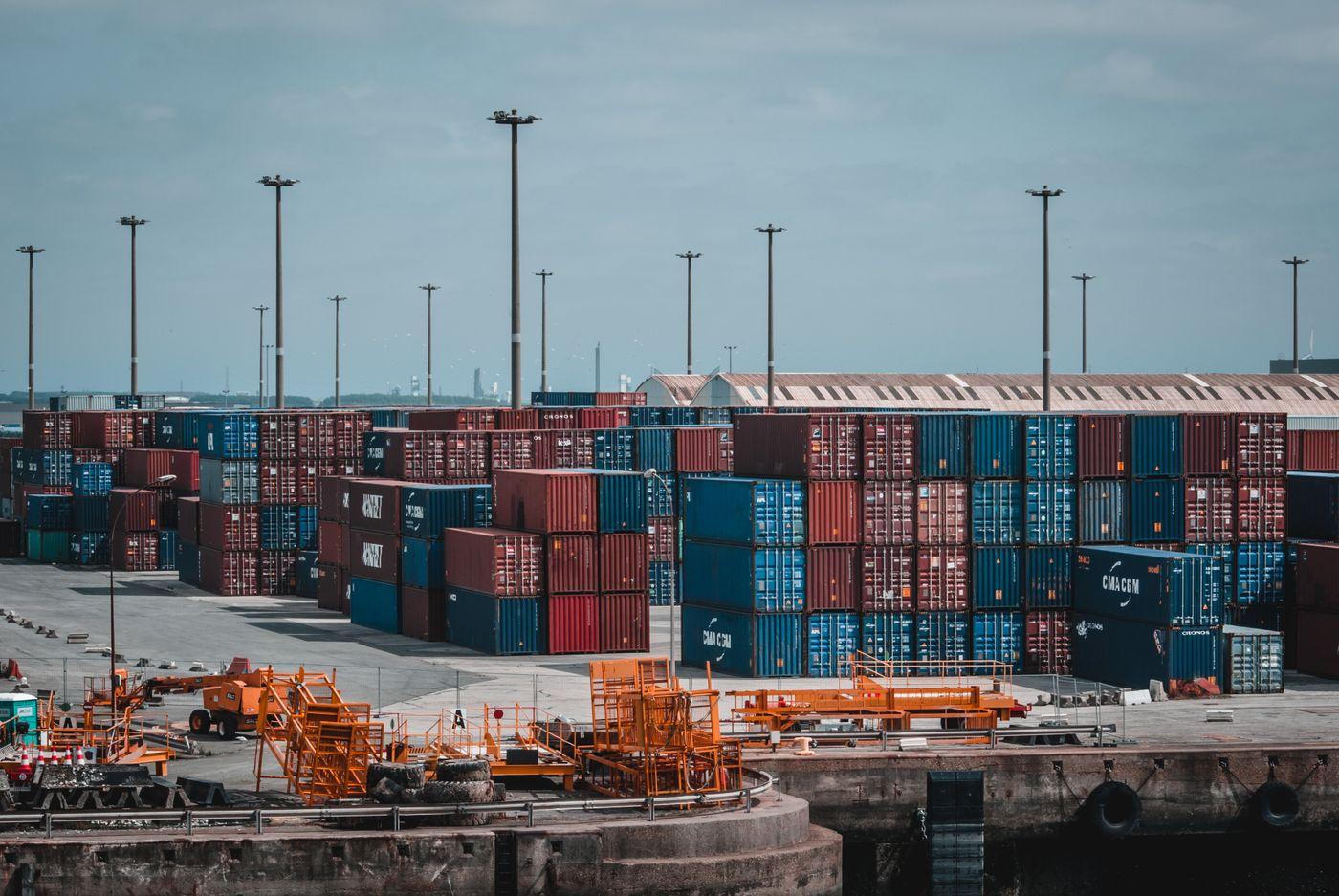
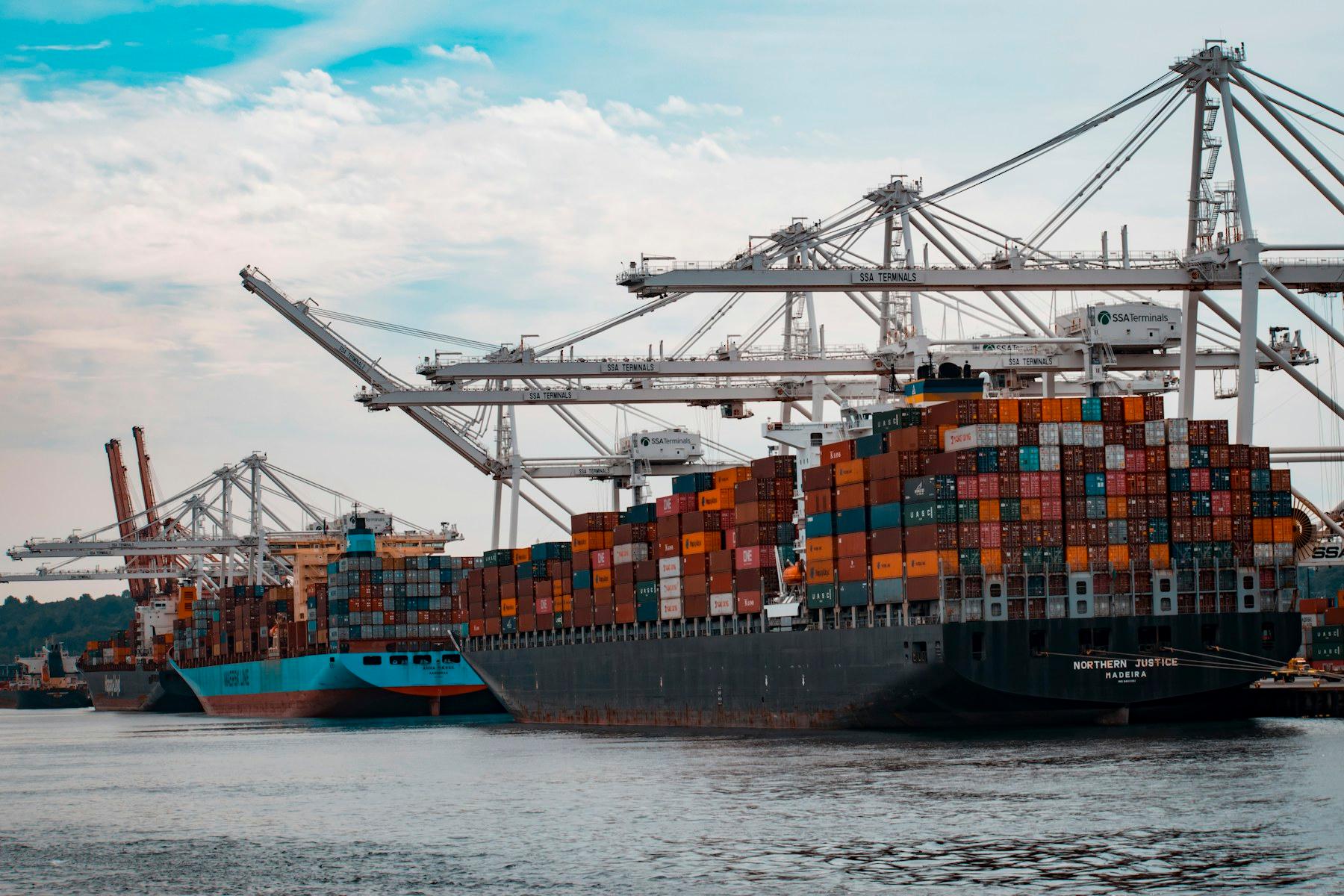
Container and break-bulk declarations for sea cargo through Singapore.
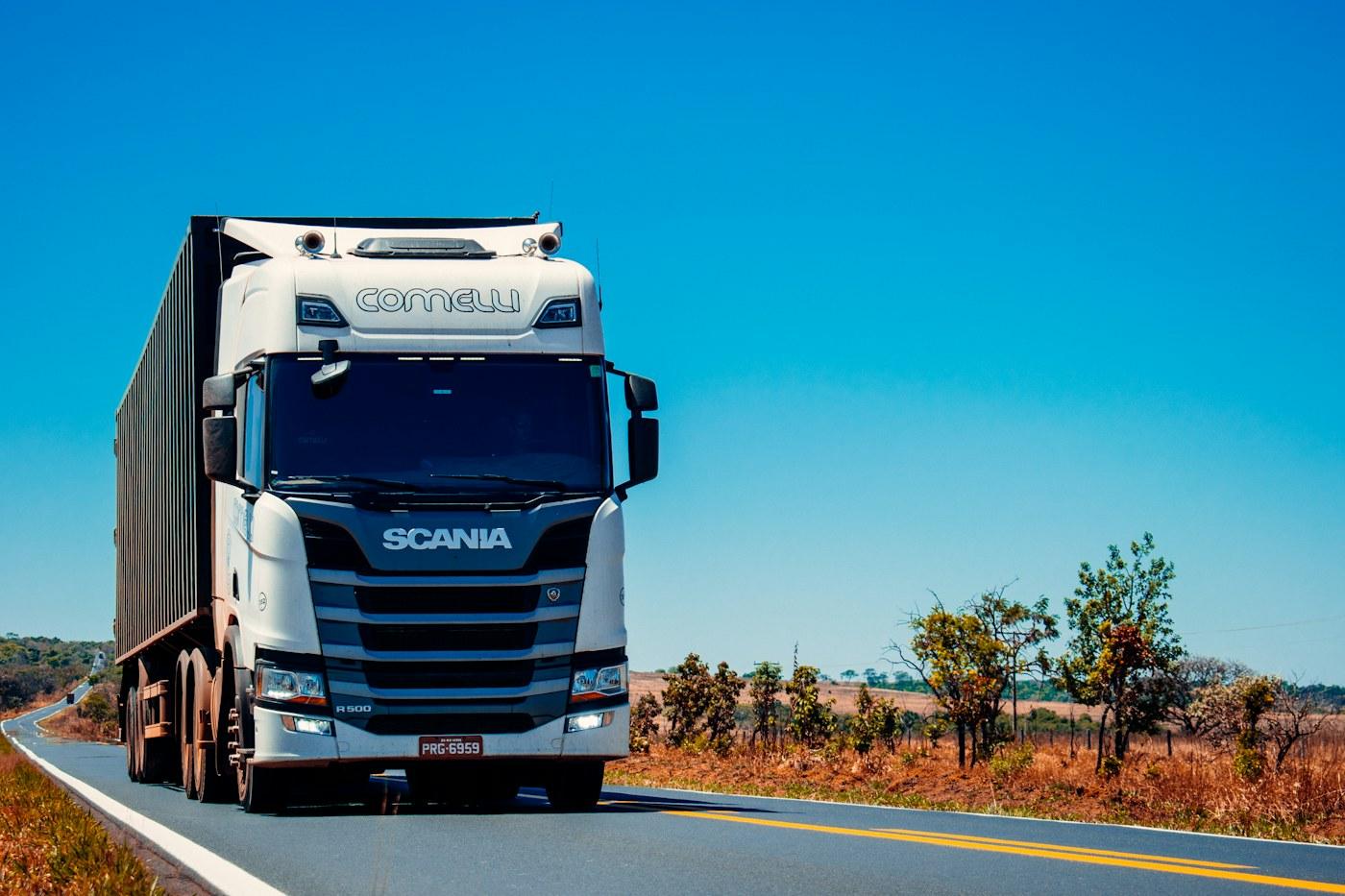
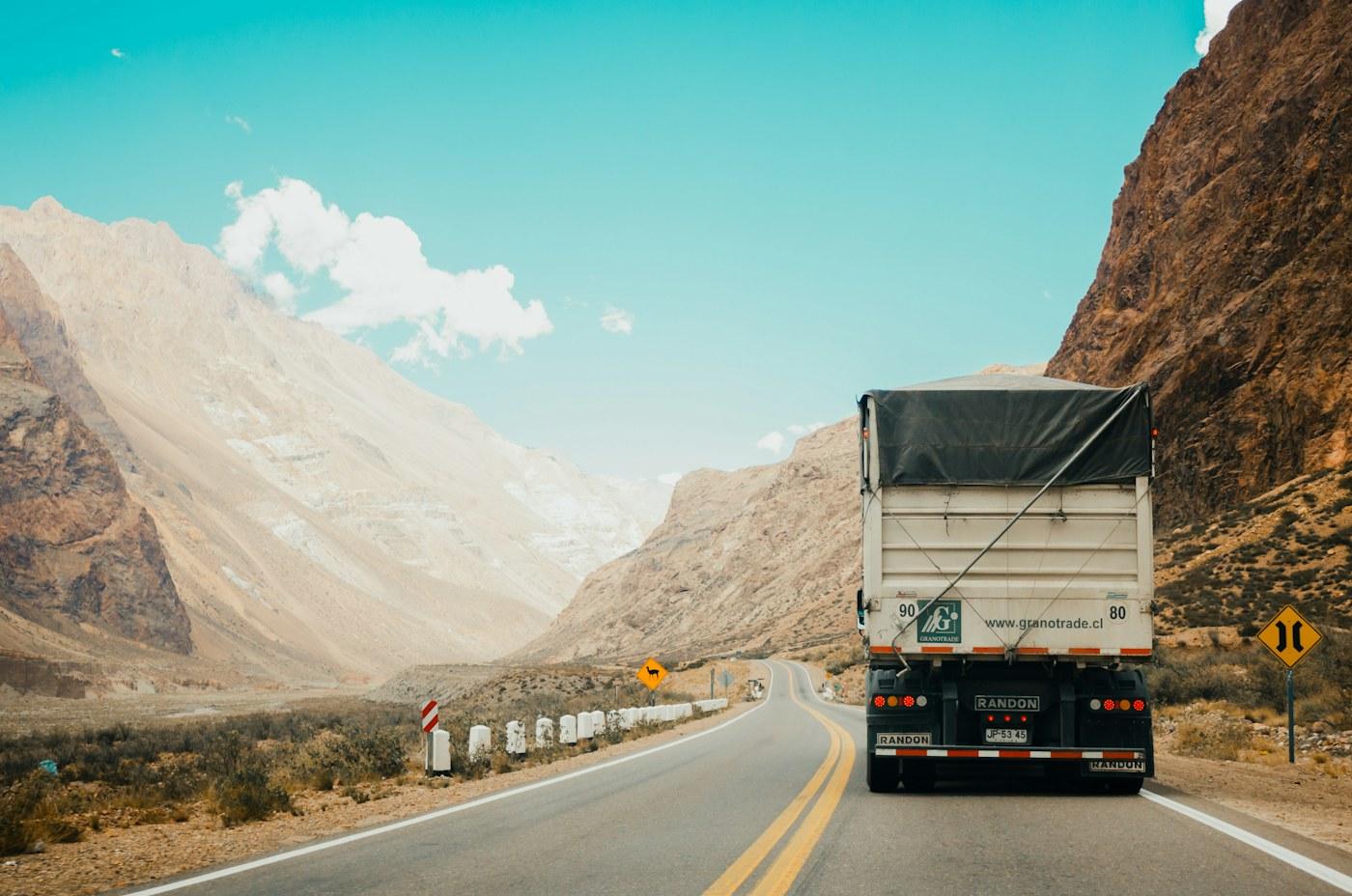
Declarations for cargo moving by truck, including onward and cross-border legs.
Trade compliance support across air and sea cargo.
Singapore Customs permit declarations for inbound and outbound cargo.
Permits for cargo moving through or back out of Singapore.
Declarations prepared for air and sea consignments.
COO application assistance, preferential and non-preferential.
Classification guidance and checks on permit requirements.
From request to lodged declaration.
Send shipment details and supporting documents.
We check HS codes, permit requirements and document gaps.
You approve the draft before it is lodged.
Permit or COO issued and sent back to you.
Common questions on Singapore customs permits and Certificates of Origin.
Most goods moving into, out of or through Singapore need a permit declaration, with some exceptions such as certain low-value or exempt consignments. The permit type depends on the movement: import, export, transhipment or re-export. Send us the shipment details and we will confirm what applies.
Transhipment is cargo that arrives in Singapore and moves on, typically transferred between carriers or vessels. Re-export is cargo that was imported into Singapore and is then exported out again. They are declared differently, so the correct type matters.
Singapore charges no customs duty on most goods. Duty applies to a few categories such as liquor, tobacco, motor vehicles and certain petroleum products. GST is generally payable on imports unless a relief or suspension scheme applies.
The Harmonised System (HS) code classifies your goods. It determines whether duty or GST applies, whether a controlling agency permit is needed, and which tariff and trade-agreement rules apply. A wrong code can cause delays or errors, so we can help you check it before lodging.
Some goods need approval from a government controlling agency before they can be imported or exported, for example certain food, health products, chemicals or telecommunications equipment. Strategic goods, which include certain dual-use items, are subject to separate export controls. Tell us what you are shipping and we will flag any requirement we can identify.
A COO is an official document stating the country where goods were made or substantially transformed. Buyers, banks and foreign customs authorities often ask for one. A non-preferential COO confirms origin. A preferential COO supports reduced or zero duties under a free trade agreement.
Issuing arrangements differ for non-preferential and preferential certificates, and each free trade agreement has its own origin rules. Generally you will need the commercial invoice, packing list, transport document and information on where the goods were made or sourced. We will guide you through the specific requirements.
Typically a commercial invoice, packing list, and the air waybill or bill of lading. Depending on the goods, you may also need licences or approvals from a controlling agency.
In many cases yes, but conditions and fees depend on the permit status and Singapore Customs rules. Contact us as soon as you spot an error so we can advise before the cargo moves.
Businesses are required to keep trade documents and records for five years, such as invoices, permits and shipping documents. Check Singapore Customs guidance for your specific case.
This FAQ is general information, not legal or professional advice. Rules and fees can change; confirm current requirements with Singapore Customs.
Questions on permits, Certificates of Origin or working with your logistics team? Get in touch.
Email: info@hsmtrade-dec.com
Phone: +65 83372145
Address: 60 Paya Lebar Road, #06-28 Paya Lebar Square, Singapore 409051